Original VTG Etching/Signed by M. Schone/ The Beautiful Fountain in Nuremberg
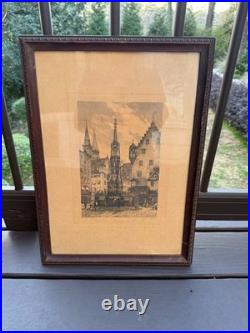
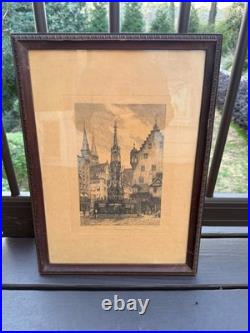
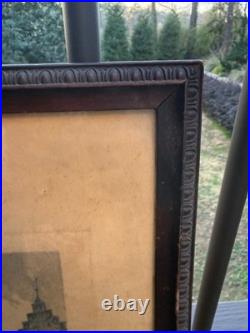
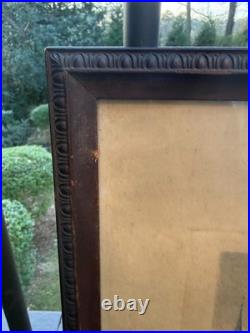
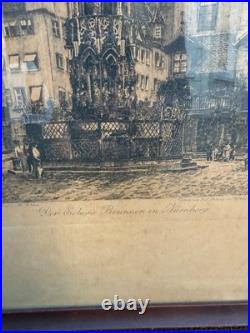
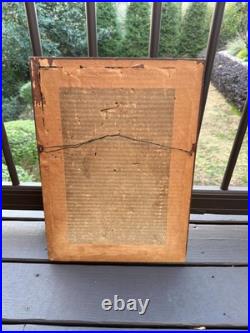
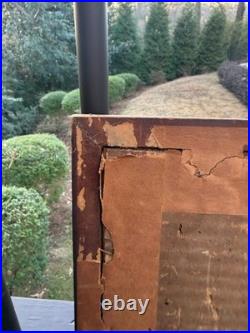

Measurements: 18.5″ x 13.5″. Inscription at the bottom reads: “Der Schöne Brunnen in Nürnberg” in German translates to: “The Beautiful Fountain in Nuremberg”. This refers to the Schöner Brunnen, a famous Gothic fountain in the main square of Nuremberg. Along the lower margin, in much smaller cursive text (partly faint), there are credit/publishing lines, which appear to include. Original Etching by M. Published by J. Plate Marks: slight, raised indentation or rim of paper where the edge of the metal plate pressed into it during printing. Schrag refers to a significant 19th-century German publishing house. Based in Nuremberg, famous for producing detailed city views, guidebooks (like “Schrag’s New Handy Guide to Nuremberg”), and etchings of historical landmarks, preserving Nuremberg’s rich cultural heritage for travelers and art lovers. Back of the frame. This etching most likely dates to the. Late 19th century to early 20th century. Corrugated board began appearing in the. But became common for framing in the. Earlier 18th-early 19th century works usually have. Or handmade paperboard instead. Brown paper tape / gummed paper seal. The wide brown paper edging looks like. Modern frames (post-1950) usually use staples, foam core, or acid-free tape. The simple twisted wire tied directly through the backing is consistent with. Late 19th / early 20th century. Earlier frames often used. Nails, hooks, or ribbons. Later frames use D-rings. Uniform aging, brittleness, and insect pinholes. Suggesting many decades rather than a few. This kind of wear is very consistent with.